

A steel-framed modular home design is the first to receive statewide pre-approval in California for wildfire rebuilds.
• Altadena’s slow recovery highlights how permitting, design costs and underinsurance can delay rebuilding for years.
• ReMo’s pre-approved modular homes reduce design review time while meeting California’s strict wildfire-resilience requirements.
• The company sees its approach as a model for disaster recovery, workforce housing and tribal communities.
In early 2025, the second most destructive wildfire in California’s history — the Eaton Fire — moved through 14,000 acres in Altadena, which is directly north of Pasadena. The fire displaced more than 100,000 people and destroyed half of the homes in the region.
Based on December 2025 information from LA County Electronic Permitting & Inspections Data, Catalyst California, a non-profit based in Los Angeles, California, only 23 out of 5676 homes that were significantly damaged by the Eaton Fire have been repaired or rebuilt.
Many property owners are finding that their homeowner’s insurance payout isn’t enough to cover construction costs for rebuilding. And even when they can afford to rebuild, the process of hiring architects and contractors for permitting and rebuilding can be stressful. Permitting fees can run anywhere from $20,000 to $40,000, then there’s an additional $50,000, on average, for architectural and engineering fees — a total of between $70,000 and $90,000.
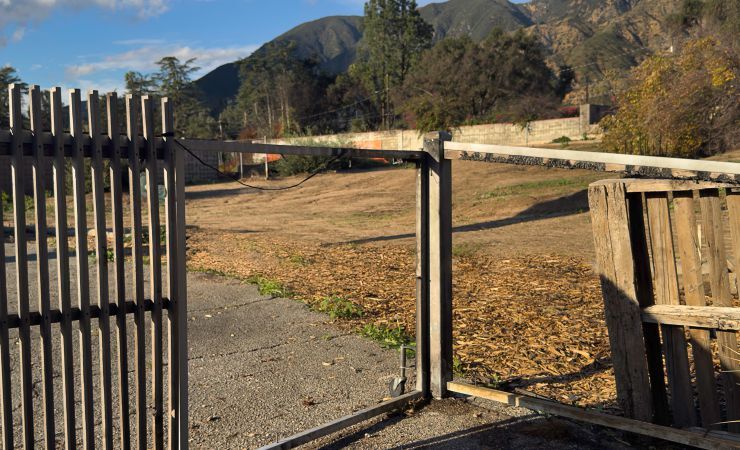
The California Department of Insurance reported that, as of 2023, the average home insurance coverage in the Altadena area was only $607,000. Current construction costs in Altadena range from $300 to more than $800 per sq.ft., depending on design, site and materials, as reported by GreatBuildz, a service based in Encino, Calif. that connects homeowners with reliable, pre-screened general contractors. Following the 2025 wildfires, damaged lots in Altadena were selling for a median price of about $650,000 — 50% below pre-fire values.
To put these numbers into context, imagine a homeowner is exploring how to replace their 1500 sq. ft. home at $500/sq. ft. It would cost $750,000 to rebuild the home and with homeowners insurance coverage of just $607,000 they would have to come up with another $140,000 to afford the construction. This does not take into account their temporary housing costs while the home is being rebuilt, a process that requires nine to 12 months. As of April 2026, Zillow estimated the average rental price in Southern California at $2690, so a homeowner rebuilding in Altadena might need to come up with an additional $24,210 to $32,280 in living expenses on top of the construction costs.
And while the overall number of fire events in California has remained consistent over the last 10 years, the state has experienced a rise in catastrophic wildfire activity showing a significant increase in the number of acres burned during each event. A 2025 study from the journal Science, reported that 43% of catastrophic wildfire disasters have happened in the past 10 years. Rebuilding resilient homes is a necessity moving forward.
Scalable Performance
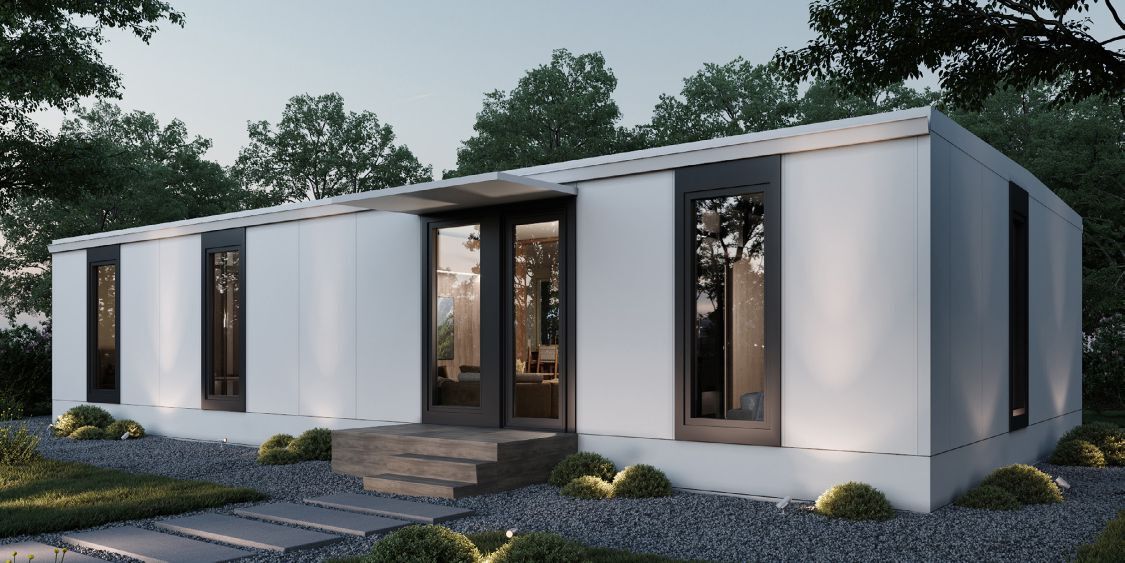
ReMo Homes (ReMo), a modular homebuilder based in Gardena, California recently became the first modular home company to receive statewide pre-approval in California for wildfire rebuilds. ReMo’s 1365 sq. ft. SupReMo model, a one-story, 3-bedroom, 2-bathroom, single-family residence, is now listed in the Los Angeles County Pre- Approved Standard Plan Catalog as “Standard Plan #270348.” All plans listed in the Standard Plan Catalog have been reviewed and pre-approved for use in the Foothills area and comply with High Fire Hazard Severity Zone requirements. SupReMo is ReMo Homes’ steel-framed, all electric, patent-pending modular manufacturing system built for climate resiliency and energy efficiency.
“This pre-approval isn’t just a milestone for ReMo Homes,” says Ryan Blowers, Chief Technology Officer at ReMo. “It demonstrates that modular manufacturing can meet and exceed California’s most stringent building standards and validates factory-built housing as a viable, high-performance solution for California at scale.”
LA County’s pre-approval initiative offers a scalable model of resilience, sustainability and support for homeowners looking to rebuild. It also streamlines the permitting process by shortening review timeframes, creating a predictable review process and reducing design costs. Each design submitted to the Standard Plan Catalog is reviewed for compliance with current zoning and building code requirements and, once approved, is added to their online offerings, which include both design-only options and design-build options.
The Standard Plan Catalog is intended to accelerate post-wildfire recovery by allowing pre-reviewed residential designs to advance more quickly while still undergoing extensive technical review for compliance with applicable building, safety and zoning requirements. Homeowners are still responsible for site-specific requirements like soil analysis, foundation design and setback compliance.
It’s a Model
ReMo Homes’ CEO, Vamsi Kumar Kotla, believes this type of preapproval process can be easily replicated in other areas of California to expedite housing deployment, in general.
“The 2108 Camp Fire in Paradise, California happened eight years ago and 60% of the town has still not been rebuilt,” says Kotla. “The people who were most affected — teachers, police, firefighters— did not have the means to rebuild. We are very focused on providing an economical solution for rebuilding.”
Paradise was known as a more affordable alternative to nearby areas, home to many residents on fixed incomes and a large working-class population. The town also housed a large population of elderly in mobile home parks.
“When Henry Ford created the Model-T it took 12 hours to make a single car that was sold for $850,” says Blowers. “In just 17 years he took the production time down to 93 minutes and the price down to $260. He created a product his own employees could afford — this is what we want to do for housing. We want our employees to be able to afford the very product they’re manufacturing.”

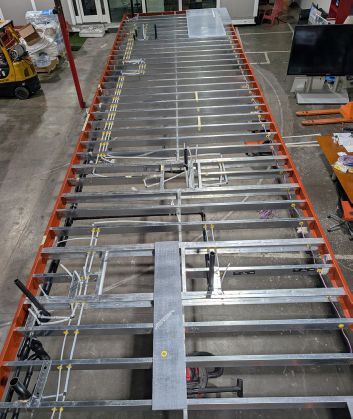
ReMo will be deploying its first modular unit to Altadena in late summer 2026 for Eaton fire survivor, Courtney Bonifacini — one of many resolute community members who believe rebuilding is an important step toward living fully again. After a year of researching housing options, including modular construction, Bonifacini ultimately chose to rebuild with ReMo Homes based on their approach and vision for the future of housing.
“To lose your home and everything you’ve ever owned in your life is indescribable,” says Bonifacini. “Every day I remember something I lost in the fire.”
ReMo is also exploring an advanced inventory-based delivery model that would allow standardized units to be produced ahead of site-specific approvals. In coordination with state and local agencies, this model could unlock faster deployment timelines, particularly in disaster recovery contexts and within tribal communities at a regional scale.
Tribal Housing Solution
Many tribal communities rely on aging housing stock that is not designed for long-term durability, energy efficiency, or insurability. In remote areas, these challenges are compounded by infrastructure limitations and restricted access to financing due to leasehold land structures. As a result, housing solutions have historically prioritized the lowest upfront cost rather than long-term performance, leading to higher utility burdens, ongoing maintenance issues and reduced resilience to climate impacts.
ReMo Homes will be working with the Hoopa tribe, who reside on the Hoopa Valley Reservation — California’s largest Indian reservation located along the Trinity River in Humboldt County (northwestern California.) The delivery model has the potential to operate across multiple tribal communities with shared constraints, enabling a higher level of regional coordination and production scaling.
Altadena’s recovery underscores a broader challenge facing any community trying to rebuild quickly, affordably and with resilience — all in the face of escalating weather events. Scalable solutions like pre-approved modular housing and streamlined permitting offer a path forward — not just for disaster recovery, but for addressing the nation’s ongoing housing crisis.
Heather Wallace is a freelance writer and industry engagement specialist with over two decades of experience in various areas of the building industry. She has covered topics on construction, technology, workforce development, green building, and sustainable living.