

Is this the next major market for industrialized construction?
- A military construction pipeline approaching $5 billion could provide steady, repeatable demand for offsite manufacturers.
- More flexible procurement and standardized building types aim to accelerate delivery.
- Companies that deliver predictable costs, quality and schedules will be best positioned to compete for this business.
For years, the industrialized construction industry has been searching for markets that could provide consistent, repeatable demand at scale. While private sector housing shortages, disaster recovery and affordable housing continue to generate interest, another significant opportunity is emerging from the US military.
Earlier this year, the Department of Defense (DoD) outlined a Naval Facilities Engineering Systems Command (NAVFAC) pipeline of approximately 5 million sq. ft. of new industrialized construction as part of a three- to five-year effort representing nearly $5 billion in contracts.
NAVFAC, which manages the planning, design, construction and maintenance of Navy and Marine Corps shore facilities worldwide, is signaling a clear commitment to industrialized construction.
Additionally, NAVFAC is moving beyond traditional Federal Acquisition Regulation- (FAR) based procurement toward more flexible contracting approaches.
One of these approaches is known as Other Transaction Authorities, or OTAs. These allow federal agencies the flexibility to bypass traditional, rigid procurement rules, primarily targeting non-traditional defense contractors and innovative ideas. Rather than asking industry to respond to a “black box” solicitation, the goal is to communicate requirements earlier and to work with qualified teams before formal agreements are executed.
“FAR is how [the military] typically acquires buildings,” says Colby Swanson, Lead of the Industrialized Construction Practice at ADL Ventures — a mission-driven, clean infrastructure innovations firm based in Boston, Mass. “It’s slow, it’s very rigid…OTAs give them a lot more flexibility with how [the military goes] to contract, how they procure, and it’s opening up the door for what we now talk about in terms of programming a series of buildings, packaging a series of projects, where you can get that demand and stable manufacturing pipeline that you really need.”
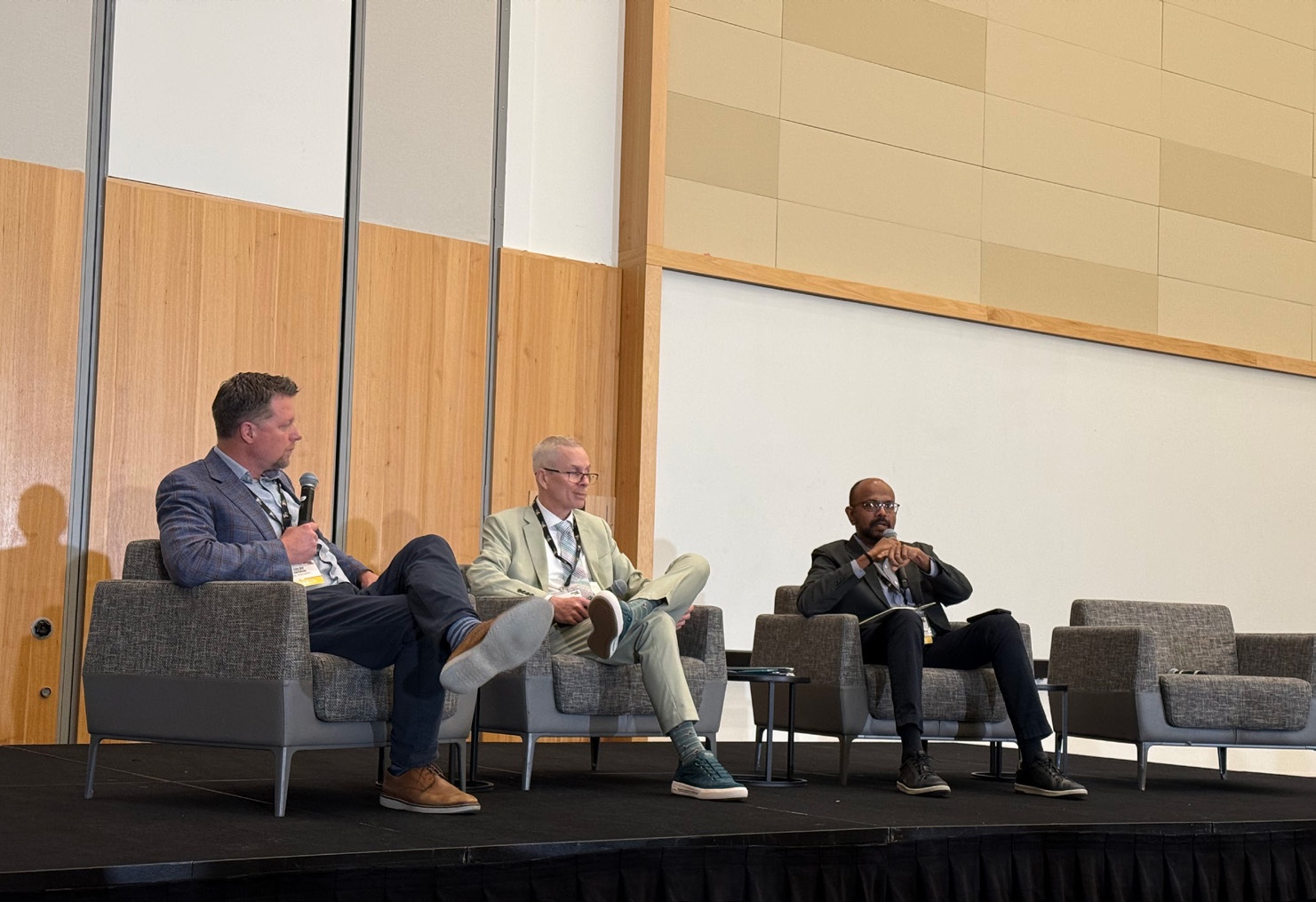
Military housing was a major focus at the Industrialized Housing Summit in Austin, Texas in July 2026, where leaders described a fundamental change in how the DoD is thinking about procurement, project delivery and standardization. The shift is important because it proves the military is strategically thinking about buildings as repeatable products.
One of the biggest takeaways was that federal buyers are no longer viewing industrialized construction as an “alternative” construction method. Instead, they see it as a strategic approach that can improve speed, predictability, quality and cost across a portfolio of facilities.
Rather than designing every installation from scratch, like they’ve done in the past, military leadership is looking at common building typologies that can be standardized and configured to meet individual needs.
Although the primary focus for 2027 will be achieving consistent building typologies to facilitate industrialization, the future goal is full standardization.
“We have to move quickly and do things quickly,” says Timothy Sullivan, Ph.D., P.E., Director of Facility Engineering, US Air Force Civil Engineer Center. “We have to look at [whether or not] the rules apply anymore. Do we need to change the rules? Do we need to change the law? Our intention is to have a standard module across all services with customization of the interior.”
For industrialized construction, that philosophy is significant. Repeatability is what allows manufacturers to justify investment in tooling, automation, supply chains and specialized workforces. It also makes it possible to learn from one building and apply those lessons and improvements to the next.
A Market Built for Repeatability
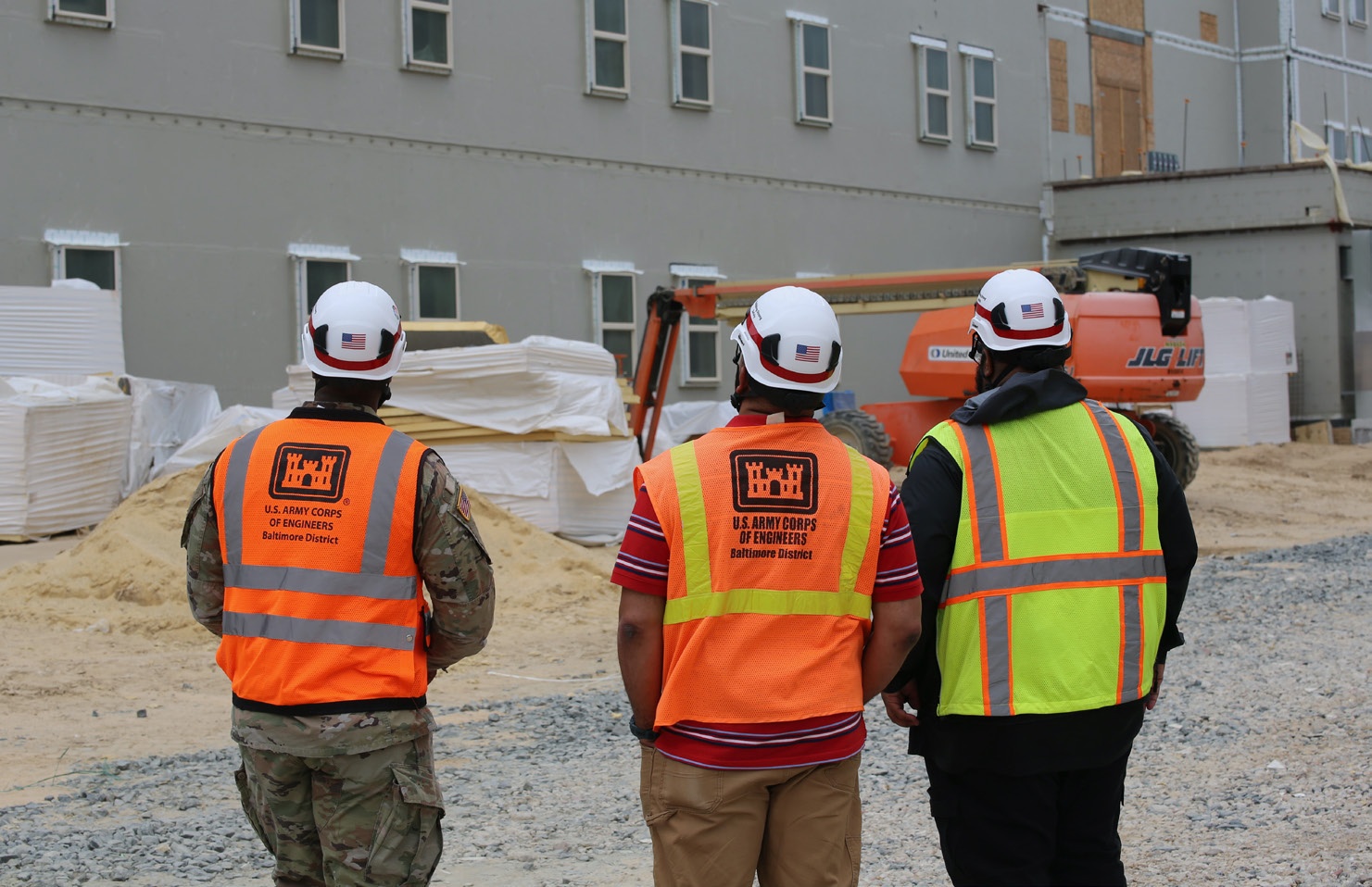
The potential scale is substantial. The almost 5 million sq. ft. of construction pipeline the DoD has outlined beginning in 2027, in addition to barracks, includes nearly $330 million expected to be invested in Child Development Centers over the next several years. Both building types are well suited to industrialized construction because of their repetitive room layouts, standardized structural systems and consistent mechanical and plumbing configurations.
“The industry has historically been on a one-off, custom, sugar-based diet,” says Swanson. “What it needs is more vegetables with a healthier, more balanced diet of repeatable products.”
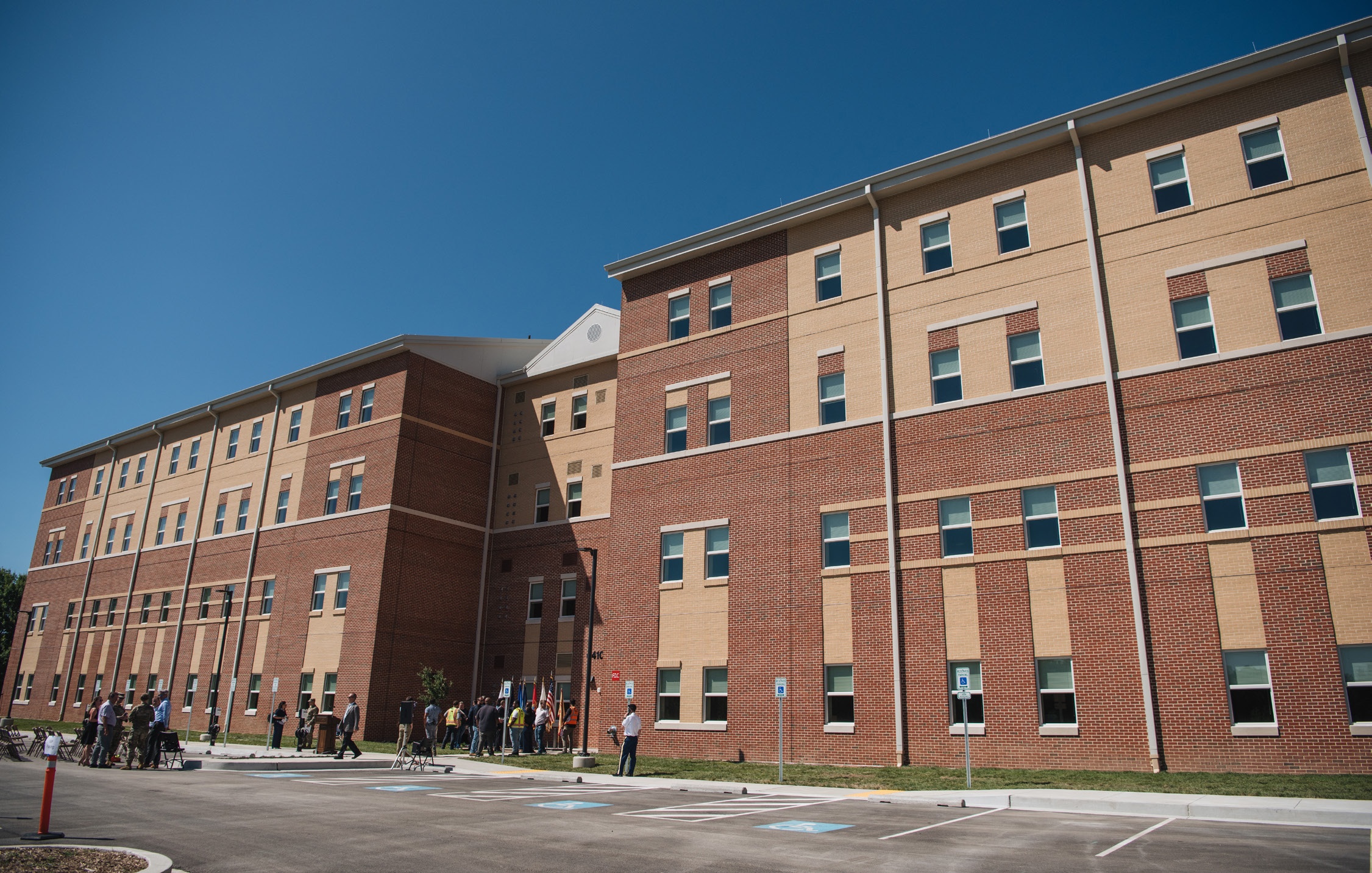
At Fort Meade, Maryland, the Freedom Center barracks project provides a tangible example of how industrialized construction can be incorporated into a conventional military construction project. Consigli Construction, based in Milford, Mass., served as the general contractor on the project, which includes two four-story barracks buildings each with 190 units and common spaces.
Successful projects like the Freedom Center barracks demonstrate how the military is reducing costs and accelerating timelines in project delivery and will support industrialized construction as the best solution for military housing.
Military officials have emphasized that their need is broader than factories capable of producing modules or isolated panels. They are seeking integrated delivery teams capable of managing the entire project lifecycle — from architecture and engineering through manufacturing, logistics, transport, installation and construction management. These companies will increasingly need to work together as coordinated partners rather than as isolated vendors to deliver complete solutions.
Karthik Bharat, Director of Military Construction Programs for NAVFAC, has some advice for potential partners. “The project we hire for will need to have the right team, so you need to be working to partner with the right teams out there to be ready to support these projects,” he says. “We’ll go to a single team, most likely a GC or the integrators, who will have the responsibility for the entire project. What you need to do is start engaging with the people, to figure out who the bigger GCs are, who the integrators are, and let them know what your capacities are.”
The military is asking private industry to deliver commercial-level pricing combined with dramatically shorter schedules.
They are looking to reduce traditional five-plus-year delivery cycles to less than two years. Achieving that goal will require coordinated design, streamlined approvals, predictable supply chains, efficient logistics and field teams that understand how to install and accept industrialized systems.
Military representatives also acknowledge several barriers that the industry continues to face, including bonding requirements, Cybersecurity Maturity Model Certification (CMMC) costs and the complexity of military building standards. They are actively evaluating ways to simplify Unified Facilities Criteria (planning, construction and operations criteria for the Department of Defense), improve factory inspection and certification processes, and reduce unnecessary obstacles that increase project costs or discourage participation.
Ultimately, predictability may be the most important competitive advantage. Manufacturers that can demonstrate consistent pricing, reliable production throughput, repeatable quality and dependable schedules will be better positioned as federal procurement evolves.
The Bigger Opportunity
What makes military construction particularly interesting for the industrialized construction industry is what could happen beyond the military market.
A multi-year federal pipeline can give manufacturers the confidence to invest in their facilities, workforce development, equipment and supply chains. Those investments don’t have to remain confined to military work. The same production capacity can eventually support multifamily housing, workforce housing, dormitories, hotels, schools and other highly repeatable building types.
That may ultimately be the most important long-term opportunity.
For an industry that has spent years searching for consistent demand, military construction could provide the production environment necessary to mature industrialized construction into a scalable industry.
For the Department of Defense, industrialized construction has moved from a promising concept to a core federal delivery strategy, and industry must be prepared to respond. Success will depend on building integrated partnerships and ecosystems that can deliver complete, standardized product solutions, investing in quality-controlled manufacturing, strengthening supply chain and workforce capabilities, and becoming familiar with evolving procurement pathways.
Companies that collaborate, engage early, embrace repeatability and demonstrate predictable cost, quality and schedule performance will be best positioned to compete — not only for the military’s growing pipeline of work, but also for the broader market transformation that stable, large-scale federal demand could accelerate.
Heather Wallace is a freelance writer and industry engagement specialist with over two decades of experience in various areas of the building industry. She has covered topics on construction, technology, workforce development, green building, and sustainable living.