
Is it time to ramp up your offsite factory’s production capacity? Two manufacturers offer advice on how to decide.
- Azure Printed Homes and Panel Built are two manufacturers that demonstrate how factory expansion requires sustained demand, a full accounting of costs and a location that improves market access, transportation and hiring.
- Before adding space, companies should explore efficiency improvements, partnerships and better use of existing buildings; and, critically, should design new facilities around production needs while preserving flexibility.
- Buildings alone do not create capacity: The CEOs of both companies emphasize early hiring, consistent culture, careful financial planning and clear allocation of responsibility for managing the expansion.
Deciding whether to expand the capacity of an offsite housing factory means looking at numerous factors, including demand, geography, capital, transportation, culture and timing. It’s easy to get any part of it wrong. Two manufacturer CEOs who’ve recently gone through this process share what they’ve learned.
Expansion Triggers
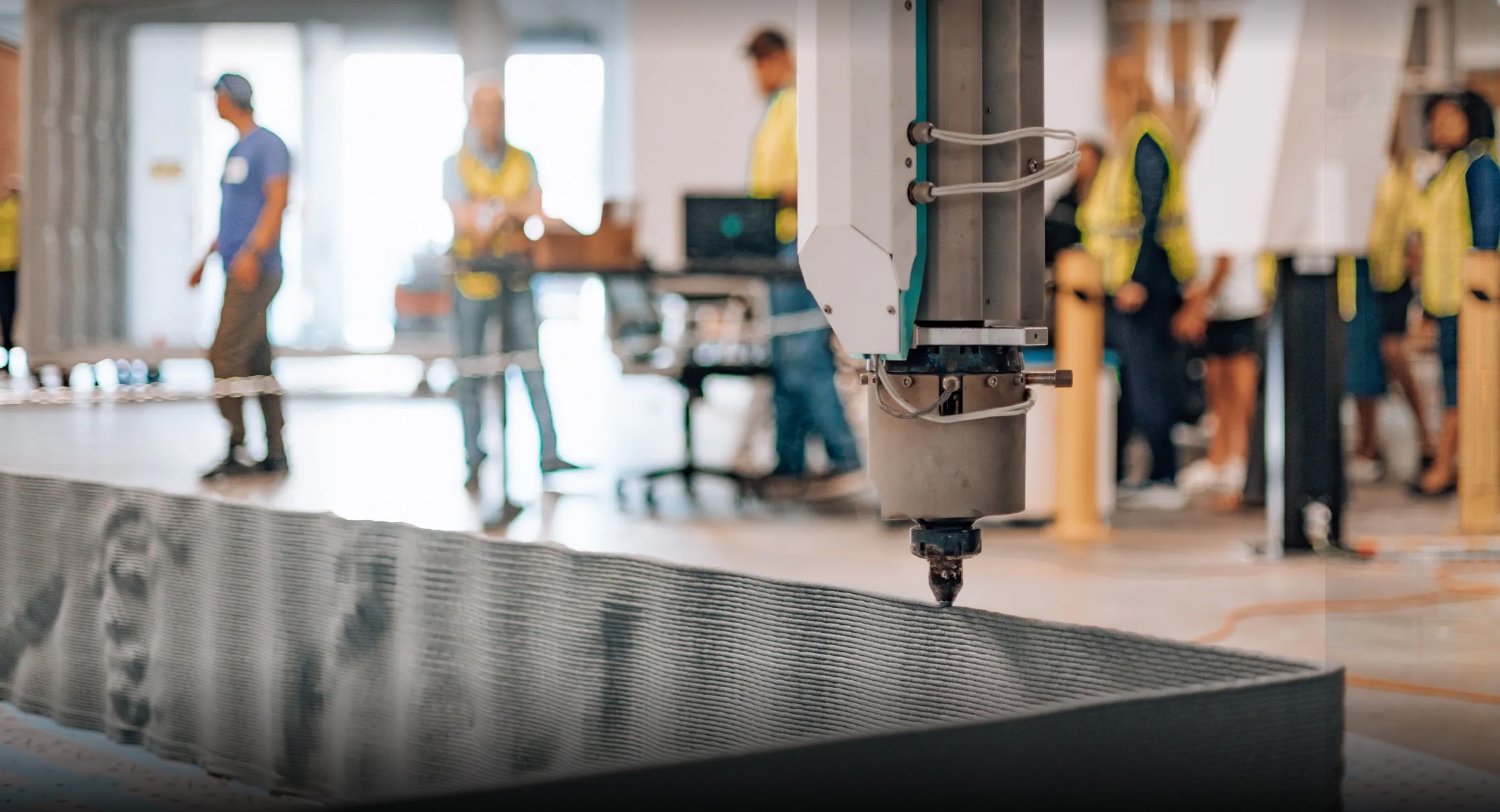
One of these CEOs is Gene Eidelman, Co-Founder and CEO of Azure Printed Homes (Azure), a manufacturer headquartered in Los Angeles, California that uses recycled plastic to 3D print homes inside its plant. The company opened a second factory in Denver, Colorado in April 2026. They started in 2022 with an 8,000 sq. ft. R&D facility and, a couple of years later, moved into their current 22,000 sq. ft. space. The new factory is 25,000 sq. ft.
A strong expansion signal arrived in late 2025, when Azure started shipping out of state, to Colorado, Texas, Arkansas, Georgia and South Carolina. The company was running two weekday shifts, plus weekends, through November and December. Rather than hire and train temporary workers it would have to let go afterward, Azure paid its current staff overtime.
When gas prices rose significantly in early 2026, a result of the US conflict with Iran, that was another signal that the timing was right for a second location, one that was physically closer to the out-of-state markets they were serving.
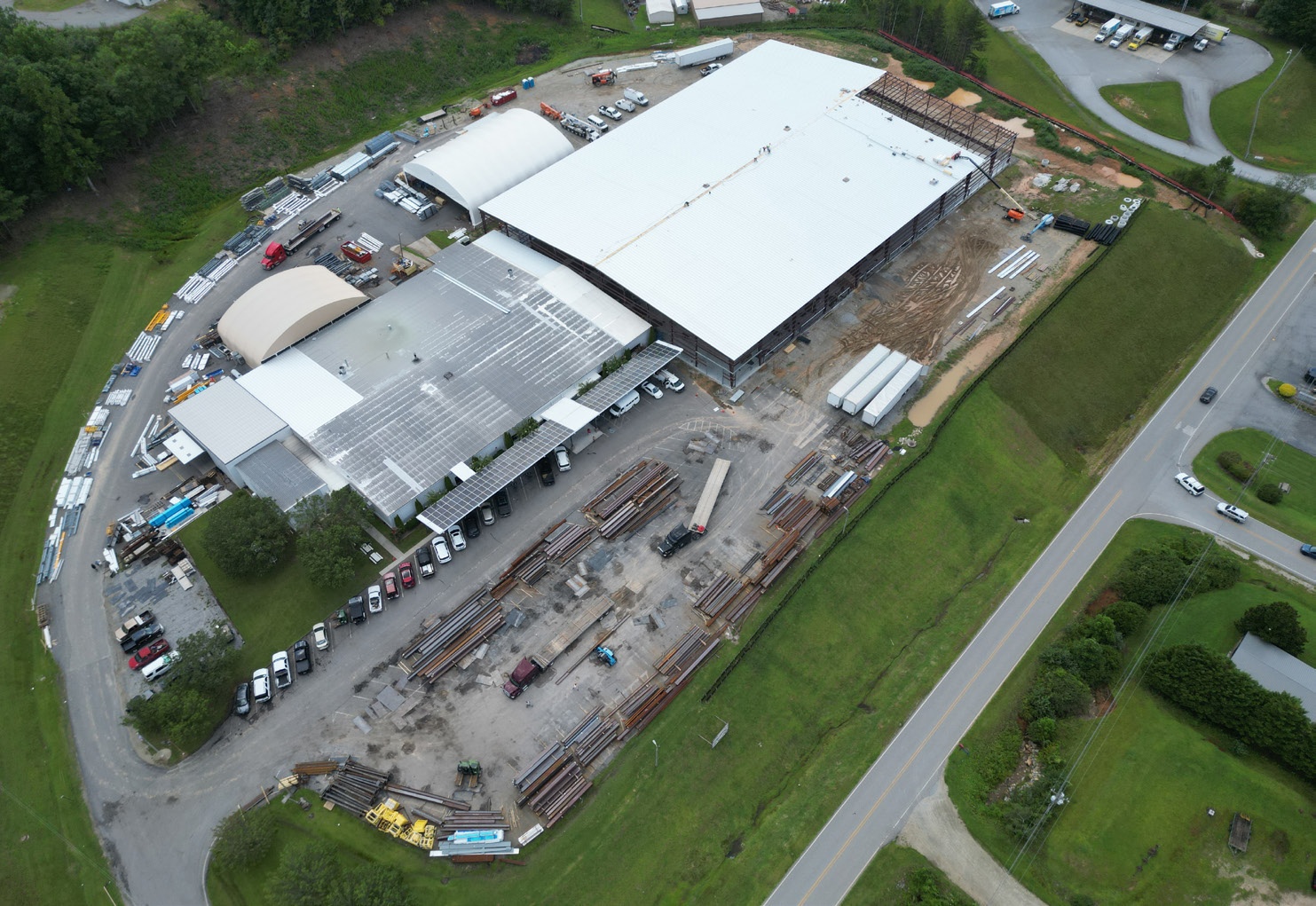
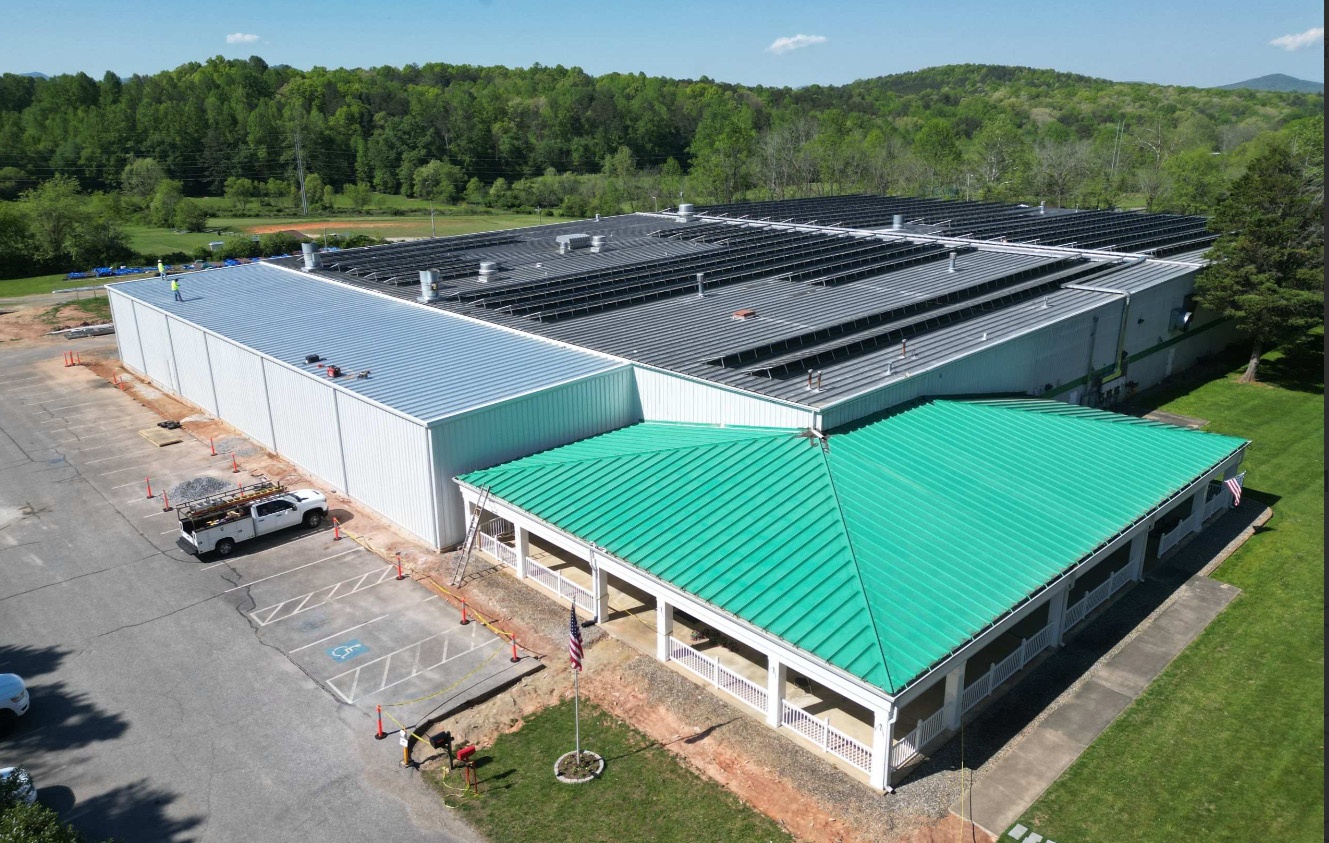
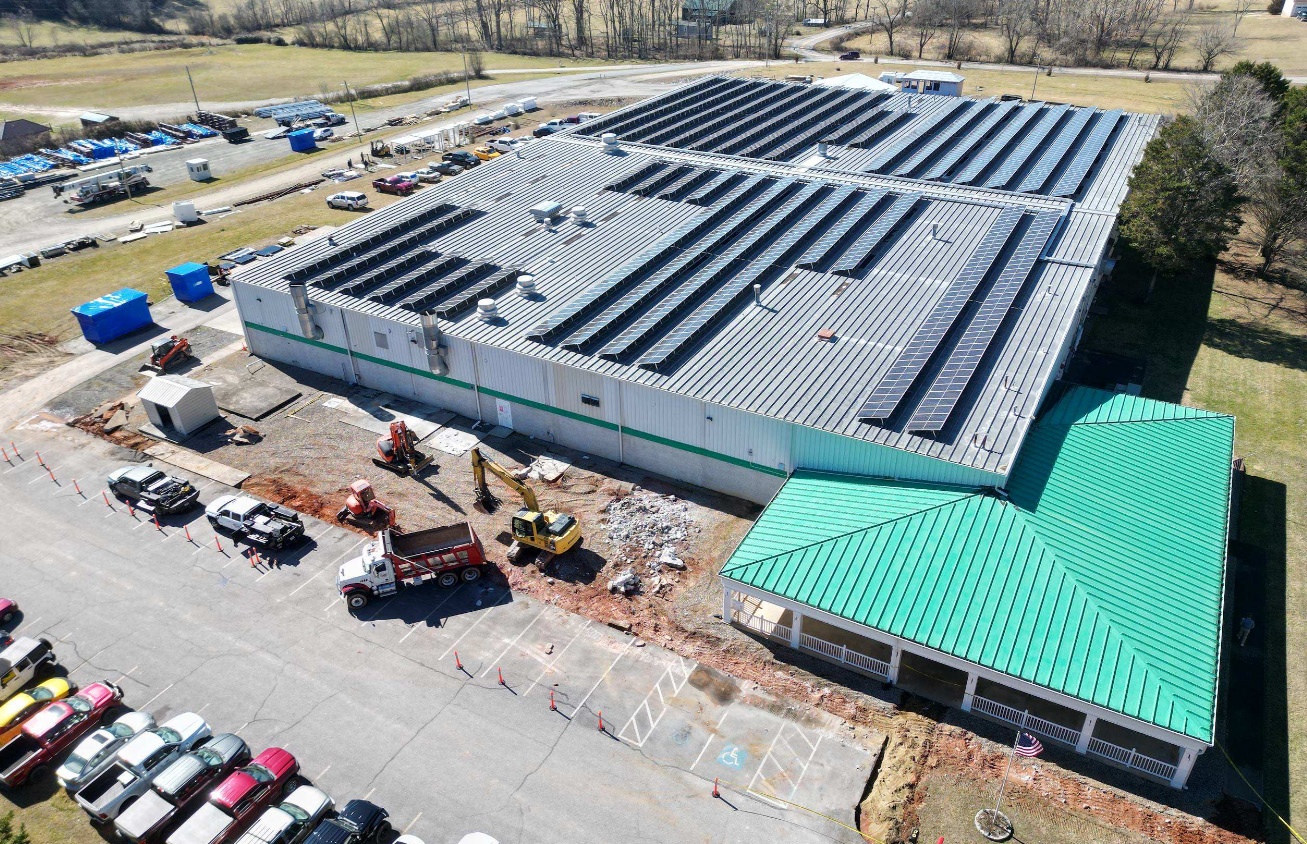
The second CEO is Mike Kiernan of Panel Built, a modular building manufacturer headquartered in Blairsville, Georgia. Panel Built opened its first facility in 1995 and in 2026 opened their seventh permanent facility. The new plant is 50,000 sq. ft. and is located in Etowah, Tennessee.
Kiernan watches his backlog, as well as industry trends, including the shift toward offsite construction and growth in data center work, which Panel Built is involved in. When considering expansion, he suggests CEOs first ask themselves: “If you had more space and more people — and people are every bit as important — what more could you do?”
Run the Numbers
Both manufacturers stress that the sticker price of a new factory building isn’t the whole cost. “[You also have to include] taxes, insurance and operational costs like electricity, cleaning and maintenance,” Kiernan says. He warns that a lease that’s $10,000 a month on paper can easily turn into $15,000 of monthly costs once everything else is factored in.
Before committing to an expansion, Panel Built brought in an industrial engineer. The engineer calculated that the reduced energy costs and moving time (e.g. for workers collecting tools and forklifts moving materials) due to a more efficient layout would nearly pay for an addition on its own.
Eidelman also points out that it’s easy to underestimate the cost of travel between the old and new locations, which is necessary for hiring and training. He and his business partner have made repeated trips between Los Angeles and Denver for this purpose.
The state of Colorado covered about 85% of the funding to open the new facility, through a state economic development competition Azure won. Even so, Eidelman was careful to keep plenty of working capital in reserve rather than relying on that funding alone.
Consider Alternatives
If you have more demand than you can handle, Kiernan suggests first considering price increases, although Panel Built hasn’t taken that route.
Also, before adding space, can you increase the efficiency of what you already have? At Panel Built, that means a weekly review of employee-submitted Kaizen forms, which include suggestions for doing something better. For example, one forklift driver had been shuttling plywood to two different locations, until she suggested storing half the plywood at each site instead. That was an easy fix that improved efficiency. But unless you make a point of asking people to suggest improvements, Kiernan says, “There are tons of little things like that people will just work around.”
Kiernan also recommends contacting your state’s manufacturing enterprise group, a federally funded resource that offers a baseline efficiency assessment. Or you can hire a private consultant for a deeper look. He’s found that a couple of days of outside observation can identify 10% to 20% in efficiency gains for a cost of less than $10,000 — a fraction of the expense of a new building.
For many manufacturers, Kiernan says that adding a mezzanine is another option to consider before expanding into a new site. A building with a 26 ft. eave height often leaves everything above the first 8 or 10 ft. unused, while still being heated or cooled. Adding a mezzanine creates a second floor of production or office space without needing to add to the building’s footprint.
Azure is working towards greater efficiency at the same time as their current expansion. The company’s 3D printers and robotic steel operation move fast, but finishing the units is the bottleneck, so a small internal team is working on that problem in Los Angeles as the Colorado plant ramps up.
Azure is also exploring international expansion through partnerships rather than ground-up construction, signing an agreement in the UAE with a company that already runs a modular manufacturing facility, has trained staff, and knows how to install kitchens and bathrooms. Azure’s role will be to bring its printing technology into an existing operation. Eidelman says he hadn’t considered that model domestically until looking abroad forced the question, and he suspects similar partnerships exist closer to home.
What and Why
If you do go ahead with a new building or addition, think carefully about what you want it to achieve. To plan the layout of the newest facility, Kiernan found it helpful to work it out on paper first. He used a large piece of square paper, scaled to the size of the building, and moved around smaller pieces of paper representing the equipment to visualize how to organize everything.
Panel Built’s facilities depend upon each other. One processes steel that another needs, for example. Kiernan says, “We play a huge game of Tetris,” moving things between factories as efficiently as possible. A single half-million sq. ft. building with ample parking would be “a beautiful thing,” he says, but that kind of site is hard to find.
Kiernan also cautions against locking a new facility into a fixed use too early. “Let’s not put a monument in yet,” he says. Instead, the firm revisits the layout and purpose of a space as real needs become clear rather than assuming the first plan is the final one.
Eidelman sized Azure’s Colorado facility by thinking about the 20,000 sq. ft. manufacturing space and 2,000 sq. ft. office footprint the company already had. “We have a big yard in California. It almost never rains and it’s never too cold, so a lot of the finishing happens outside,” Eidelman says. They couldn’t rely on the weather in Denver, however, so they wanted more manufacturing space than in LA, and less office space, which would let them move the work inside.
Ceiling height narrowed down the available facilities, because the company’s 3D printers need 20 feet of clearance. Azure found a site in an industrial park that met height requirements, and where cheaper buildings are available nearby for expansion space, if needed. Those buildings only have 15 ft. ceilings, but would be used for finishing and storage, not printing. The availability of expansion space was reassuring and saved them from having to lease a larger building.
Having a facility in a lower-cost state will help Azure capitalize on more opportunities. For example, the new Colorado facility enables Azure to compete for national RFPs, from the Department of Defense, veterans’ programs and HUD homelessness initiatives. Because California is the most expensive state to manufacture in, Eidelman says a cheaper-state facility helps on price-sensitive bids.
Azure’s expansion has followed the company’s earliest business plan: aim to deliver within 500 miles. That will eventually work out to a factory in roughly every US time zone.
People Make or Break It
Both manufacturers describe people, not buildings, as the hardest part of an expansion to get right, and also one of the most important. “You’re not going to find an exact copy of what we have here,” Eidelman says of Azure’s Los Angeles team. But they’re trying hard to get as close as they can. “We looked deeper into who we have on our LA team. What are some of the qualities of people that make this place special? Not just how many years of experience and what they can do, but the intangibles of the key people here that make this place feel like home.” He and his Co-Founder identified the specific people who make the LA facility feel the way it does and passed along what they discovered to the Colorado plant manager.
In hindsight, Eidelman says, they should have hired that new plant manager well before spring 2026, given that the Colorado location had been confirmed since September 2024. Hiring in general has been difficult in both locations, he adds, since LA and Colorado both have strong economies right now, which makes good people harder to find.
When choosing the Colorado site, Eidelman’s team also had to consider the commute employees would need to make, which they hadn’t done for their Los Angeles location. “That one is close to the intersection of two major highways, in an area that’s not very expensive to live in,” Eidelman says.
Panel Built’s decision-making resources include a “culture wheel,” which shows ten culture traits the company tracks, including efficiency, customer service and fun. Kiernan says culture tends to shift the farther a facility is from headquarters. “Even across the street, it can change a little bit. We’ve got facilities an hour and a half away, and the culture can change a little bit more. If you don’t watch it, you can get out of alignment really fast. So, you have to be vigilant.”
When one facility’s leadership drifted from the company’s culture standards, Kiernan changed the leadership, which he says made a positive difference within weeks. He also went to the affected team directly. “I apologized and told them this wasn’t the way we wanted to run our business,” he says. After the changes, “People were happy, the facility was running better, and it was more in line with how we want to treat our people and our customers.” Panel Built has since made a practice of promoting people into leadership roles who already embody the company’s culture.
Panel Built has been lucky with some of its hiring. One of the company’s facilities came together almost by accident. Kiernan was at a football game with someone he’d known for 35 years. His friend was closing down his rug manufacturing business and offered Kiernan a good deal on the building if he’d hire the staff. They shook hands on it that day, and several of those employees are still with Panel Built.
Some skills transferred easily when Panel Built absorbed workers from the rug factory. For example, someone who can run a forklift loaded with carpet can generally run one loaded with steel or plywood, Kiernan says.
Construction-specific skills are harder to find, and he recommends being confident that skilled workers are available in a given area before committing to adding capacity there. “Our county has about 27,000 people and we have about 250 to 300 employees in this area. It gets more and more difficult to hire from the same pool.” When Panel Built opened its new Tennessee facility, it was able to hire about 60 people quickly from a new pool, partly because a couple of other local plants had just gone through layoffs. Kiernan takes no satisfaction in that timing, but it filled the plant fast. “If you have more space and you don’t have people, it doesn’t help you a whole lot,” Kiernan says.
Lessons Learned
Eidelman wants more certainty before opening the next new location. He’s looking for a full year of firm orders lined up in advance, something Azure didn’t have before its Colorado expansion.
Next time, Eidelman also wants a single person dedicated to managing the expansion, rather than splitting the work across the leadership team as Azure did this time. Looking back, he says, almost every part of the process could have started earlier and would have been worth it.
Kiernan sums up his advice for anyone weighing an expansion: “If I had to narrow it down to a couple of things, it would be to do the math, and work with your team to make sure your culture is something you can carry through and keep continuous.”
Zena Ryder is a copywriter and content strategist. She writes for magazines and companies and also helps B2B service business owners and consultants turn their expertise into content that converts traffic and followers into clients. Find her at zenafreelancewriter.com.