


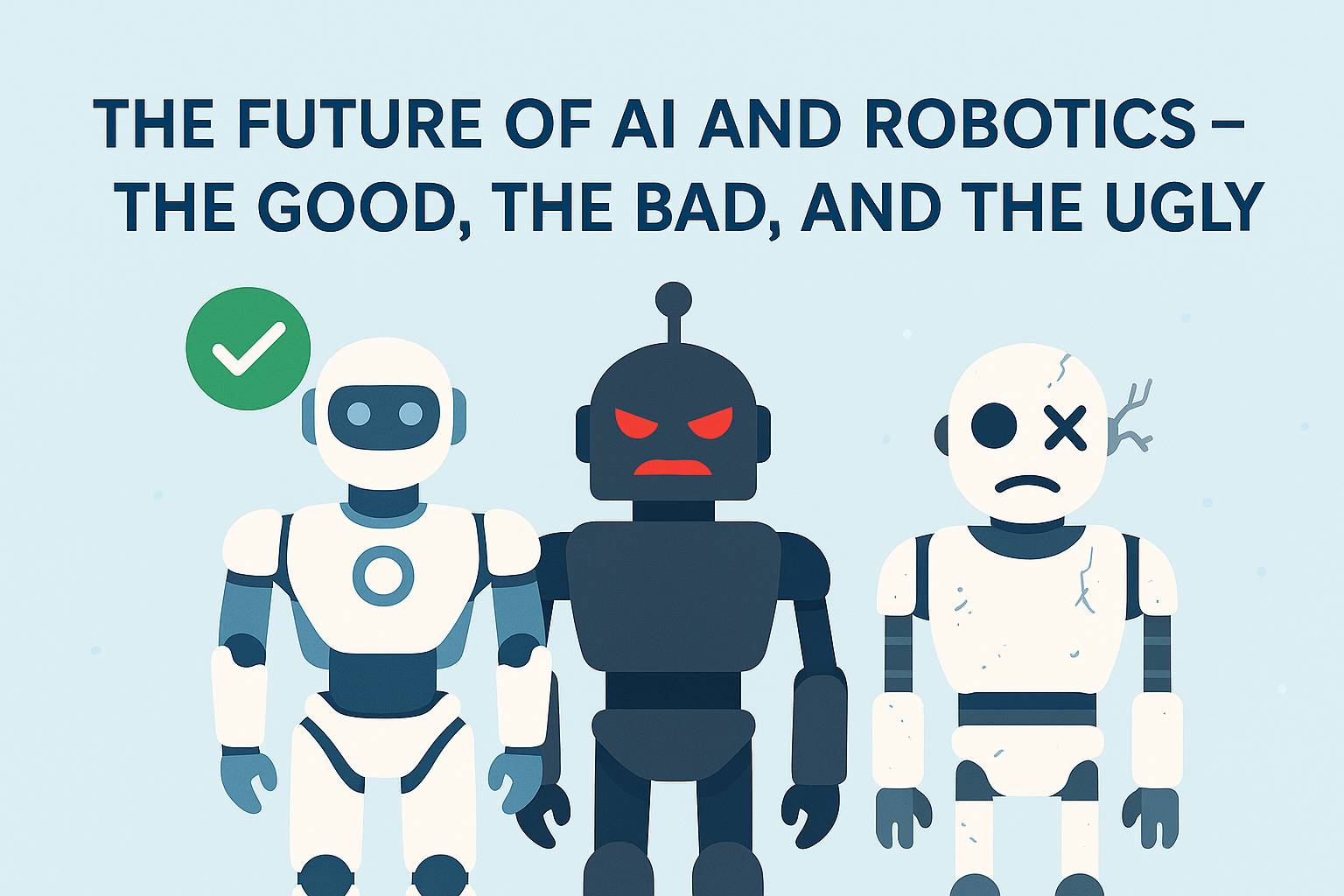
We are on the cusp of a dramatic change in how we build. Not just in the US, but around the world. The change, of course, has to do with AI and robotics. The good news is I believe we’ll be building better and faster in a few years. The bad news is that getting there won’t be smooth or easy, and will include some downright ugly challenges.
Complicating this transition is the human psyche, which is wired to favor the familiar rather than welcoming change. Look at home design. Humans have been building pitched roofs for 8000 years. Neolithic longhouses were characterized by steeply pitched roofs, and 99% of the communities I drive by today still have pitched roofs. This is despite architecture schools promoting contemporary design and flat roofs.
Construction hasn’t changed much either. We have been building outside, in the weather, since the beginning of time. Offsite is beginning to shift that habit, but still has a way to go.
Then there’s material choice. In the US, where lumber is plentiful, wood has always been the go-to for residential structures. Early Americans built mostly log homes. Timber frames came to dominate in the early 1800s, but by 1850 were supplanted by light-frame stud walls. Things haven’t changed much since then. Again, we’re wired to favor the familiar.
As for robots, they’ve been around for decades. As far back as the 1980s, they were common in many areas of manufacturing, especially the automotive industry. But cars and trucks are far different than homes. There are national standards for automobiles, which means a manufacturer can offer the exact same vehicle to 300 million Americans.
“AI and robotics will be a big part of how homes are built in the future and we have a new group of pioneers taking on those challenges (and opportunities).”
Not so with housing. While the exterior can probably look roughly the same no matter where one builds, every part of the country has different requirements. Codes, of course, differ by state, but so do design expectations, even if those differences are subtle. In the Northeast, for example, the door to the basement is typically placed at the top of the steps and the steps are enclosed; in the Midwest, it’s placed at the bottom of the steps and the steps are surrounded by a half-wall.
In modular and other offsite builds, differences in expectations and codes impact how AI and robotics are used. In the future, design professionals will need to adapt to these technologies, but the good news is it’s already happening. A growing number of colleges and universities are introducing students to offsite construction technologies.
On the downside, an offsite factory is capital-intensive to begin with, even when using lower-cost traditional jigs, tooling and stations. Robotics and AI require higher upfront costs and, without strict product platform discipline, can require costly reconfigurations when being added to an existing plant. In addition, variations in codes and specs across the production line create friction in the manufacturing process that increases complexity and cost.
Now for the ugly part: construction’s notorious cyclicality. While you may have ups and downs with automotive manufacturing, construction demand is far more volatile, and can leave factories with times of limited production. Add to that the fact that larger projects frequently encounter delays caused by permitting and/or funding issues. Expensive, automated factories punish owners that can’t keep the production line 100% full, 100% of the time.
The bottom line is that while offsite construction is beginning to take advantage of the (r)evolution in AI and robotics, the process will be messy. There will be factories that dial in the combination of these technologies to create powerful new ways to enhance productivity, but there will also likely be some spectacular failures.
Ultimately, however, the drive towards the goal of building better homes will continue.
If you liked this article, you can follow Ken Semler on LinkedIn, where he offers daily insights and commentary about offsite construction.