
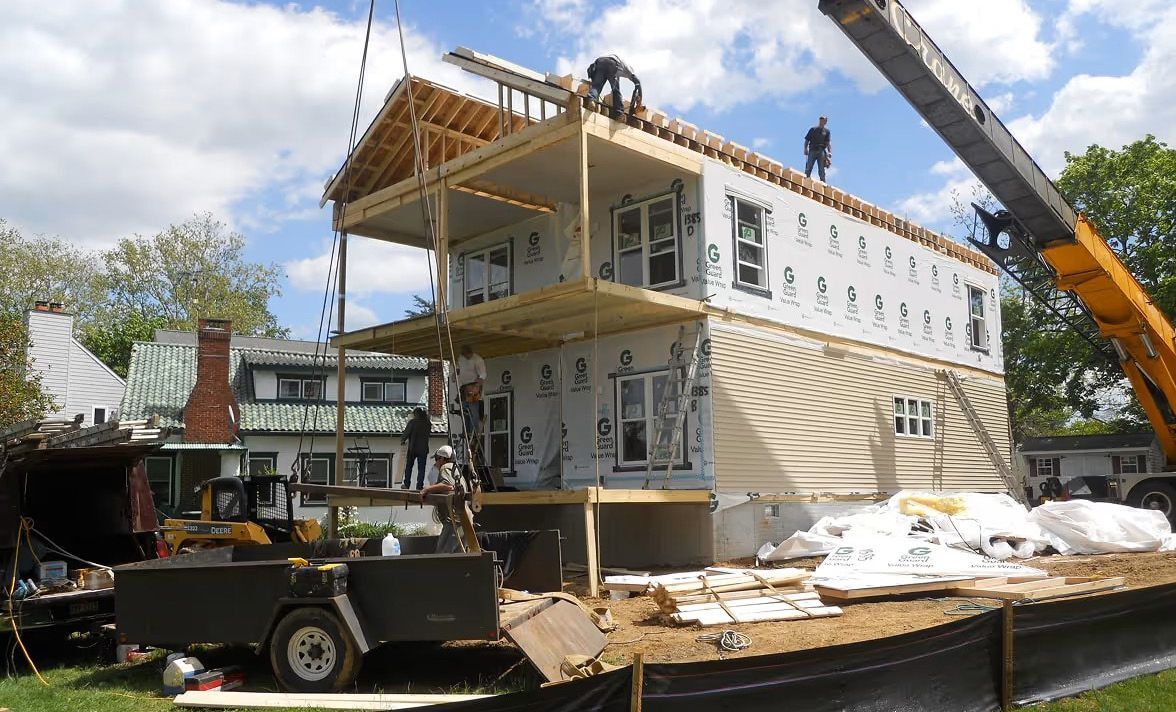
Icon Legacy proves that customer care, adaptability and culture —not automation — drive lasting performance.
• Close-to-the-floor leadership enables rapid response to supply, design and labor challenges.
• Customer service, design customization and craftsmanship help maintain enduring builder partnerships.
• A people-first culture has rewarded the company with a stable workforce.
Family ownership, a commitment to the custom builder and a culture of care have helped this modular manufacturer not just survive economic shocks — but use them to get stronger.
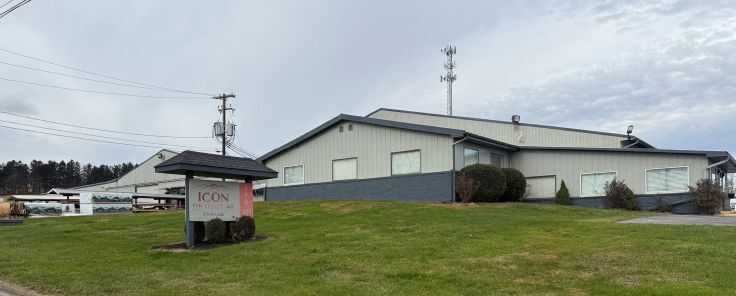
When the founders of Icon Legacy Custom Modular Homes (Icon) launched their company in 2007, the timing couldn’t have been worse. The housing market collapsed soon after, taking many builders with it. Yet from that difficult beginning, the Selinsgrove, Pennsylvania manufacturer developed habits that still define it today: disciplined management, steady reinvestment and long-term builder customers.
Icon’s lessons are ones that anyone considering starting or investing in a modular factory could learn from.
“We got started just before everything went south,” recalls Bruce Bingaman, Icon’s Sales Manager. “But the way we were structured helped us ride it out.”
Local Control, Lasting Advantage
Bingaman says Icon’s closely held business structure is central to its long-term success. Decisions happen locally and quickly, without the need for approval from investors or corporate boards. “The people who make the calls are right here,” he says. “We don’t have to wait for sign-offs from a committee three states away.”
With ownership and leadership all based near the factory, communication lines are short. Suppliers, vendors and builderclients can reach key decisionmakers directly — something that can be a challenge when larger firms consolidate. That makes the business more nimble when supply-chain issues, code changes or labor shortages appear.
For other offsite manufacturers, the lesson is simple: the closer decision-makers are to the production floor, the faster the factory can pivot.
Customer Service is a Core Product
Bingaman says that customer service isn’t an afterthought — it’s a differentiator. He says that builders working with the company know they can get an immediate response from someone empowered to act. “You don’t get bounced from one department to another. If there’s a question, we handle it right away.”
He believes that it’s also important, as much as possible, to extend that responsiveness to in-person field support. When a builder requests it, members of the management team will visit a jobsite to walk modules with the contractor, troubleshoot issues and confirm details on the spot. The team stays in contact throughout the project until every item is complete.
This approach builds the kind of trust that turns one-time buyers into long-term partners. In modular manufacturing — where coordination across multiple trades and phases is critical — speed of response can be as important as the quality of the product itself.
Flexibility Without Chaos
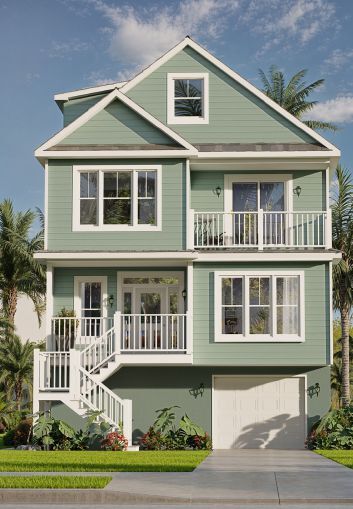
Icon Legacy builds a wide range of projects, both stock and custom. “We do both ends of the design spectrum and everything between,” says Bingaman.
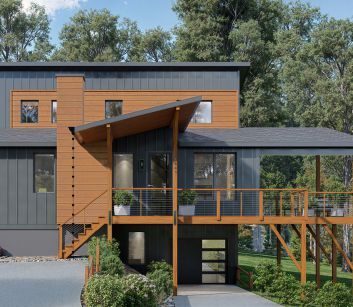
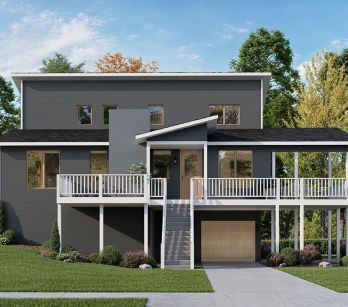
The stock plans on its website run the gamut from a 949 sq. ft. ADU to a 7200 sq. ft. multifamily building, as well as a wide selection of single-family homes. The company builds a range of architectural styles, and all its stock plans can be customized.
And when a builder asks for a one-off design, the team rarely says no. “We’re willing to do things that other factories aren’t, like third stories,” says Bingaman. “If a project calls for something outside of the typical truss system or a steep roof pitch, we’ll figure it out. In fact, ninety-plus percent of our roofs use custom rafters rather than trusses.”
That willingness to adapt extends to sourcing. When clients request specialized windows or roofing materials unavailable locally, Icon’s purchasing team works to procure them. Builders can also integrate their preferred finishes or components into a modular order.
The takeaway for other manufacturers: flexibility need not derail efficiency — so long as your process and culture are built to support it.
Value by Design
Ask anyone at Icon Legacy what distinguishes its homes, and the answer comes quickly: the value built into every standard feature. “We give our customers a lot for their money,” says Bingaman.
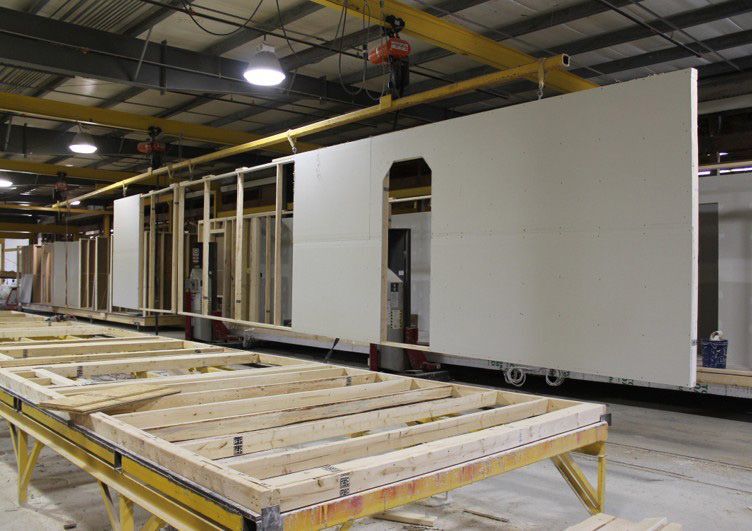
Instead of the plain white primer typical of factory builds, walls receive a tinted coating that gives the interior a nearly finished look. Standard specifications include Merillat cabinets, Moen faucets, CertainTeed exteriors and windows from brands such as Andersen or PlyGem.
Crown molding is standard. The company offers USB outlets, pre-wiring for wall-mounted TVs or future entertainment systems, as well as electronic keyless locks. Optional upgrades — gas fireplaces, stone surrounds, or tiled showers — can be fit into the company’s production workflow.
Even the exterior doors reflect this philosophy. The company uses ThermaTru fiberglass doors with composite jambs instead of steel and wood.
For builders, these details translate to fewer callbacks, happier clients and a stronger reputation.
Precision in Production
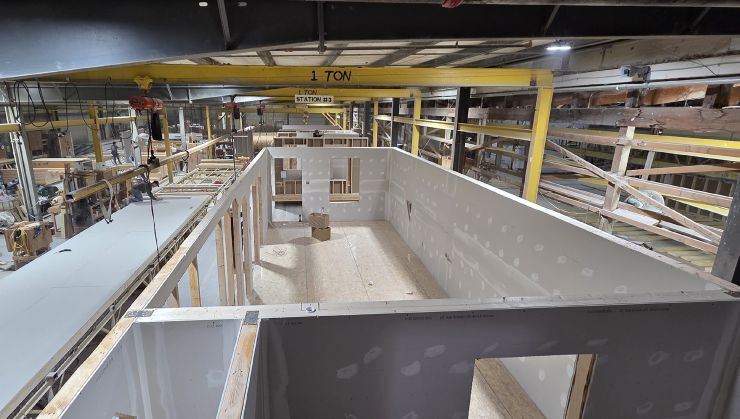
Behind the polish is a tightly choreographed factory. Bingaman describes it as “a synchronized machine” where materials and labor flow continuously from one stage to the next. The production floor is laid out so crews rarely leave their stations for materials; framing and trim components arrive pre-cut and ready to install.
Two auxiliary zones feed the main line — one for stairways, dormers and roof valleys; another for smaller assemblies like knee walls. This setup minimizes downtime and ensures consistent quality.
A three-person quality-assurance team — all experienced factory veterans — inspects each stage using an in-house system developed specifically for Icon’s workflow rather than an off-the-shelf checklist. The result is a QA process tuned to the realities of modular construction, not borrowed from another industry.
The production and QA systems were developed in-house. “It evolved over time,” says Bingaman.
Keeping People First
Perhaps the company’s strongest asset is the loyalty of its workforce. Many employees have been with Icon since its first or second year in operation. Management credits that stability not to lavish perks, but to consistent recognition and a sense of community.
“We make a point of showing appreciation,” says Bingaman. Employees receive branded clothing, event invitations and milestone awards. Each summer brings family outings to parks and minor-league baseball games. Catered dinners mark service anniversaries. “Treating people well goes a long way,” he adds. “It’s how you keep talent in a tight labor market.”
That approach reflects a broader truth across offsite manufacturing: culture is retention strategy. It’s basic human nature that when line workers feel known and valued, productivity and quality follow naturally. And when people are treated well by a company, they’ll want to keep working there.
Careful Tech Adoption
Like many small modular factories, Icon is careful about how it invests in technology. “We don’t have automated processes in is relatively custom,” says the factory because everything Bingaman. “For instance, robotics isn’t at a point where it could be incorporated here.”
As a custom builder, the company also decided to create its own digital systems rather than turning to off-the-shelf systems like Salesforce. “Our IT manager has written programs for everything from engineering to sales, to order entry, to purchasing, to tracking and time management,” says Bingaman. “Our sales process and the chain of relationships are unique, so we’ ve decided to write programs in-house that serve our specific needs.”
Sustainable growth isn’t about the newest tool or the biggest order. It’s about consistency, responsiveness and care.
Checklist for Success
Some lessons for factory owners from Icon Legacy’s experience.
Structure & Agility
□ Keep decision-making close to the production floor.
□ Ensure leadership remains accessible to partners and staff.
Customer Relationships
□ Respond quickly and directly to builders’ needs.
□ Maintain communication throughout every project phase.
Customization & Design
□ Offer flexibility within a disciplined production system.
□ Treat custom requests as opportunities, not obstacles.
Value Engineering
□ Compete on both cost and perceived quality.
□ Make superior materials and finishes standard, not optional.
Operations & Quality
□ Organize the plant for continuous flow and minimal movement.
□ Build your own QA system tailored to modular work.
Culture & Retention
□ Recognize employees regularly and celebrate milestones.
□ Create community events that reinforce belonging.
Resilience & Investment
□ Identify critical systems that require constant attention.
□ Reinvest in people, equipment and facilities even during downturns.